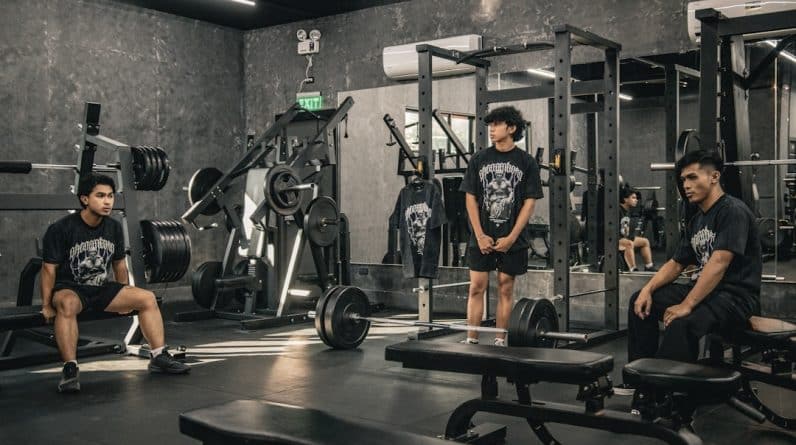
In today’s world, the significance of diversity and inclusion in health fitness clubs cannot be overstated. As you step into a gym or fitness center, you should feel a sense of belonging, regardless of your background, ethnicity, or fitness level. Diversity in health fitness clubs enriches the community, fostering an environment where individuals can learn from one another and share unique perspectives.
When people from various backgrounds come together, they create a vibrant atmosphere that encourages collaboration and support. This not only enhances the overall experience for members but also promotes a culture of acceptance and understanding. Moreover, inclusion in fitness clubs is essential for breaking down barriers that often prevent individuals from engaging in physical activity.
When clubs prioritize diversity, they send a powerful message that everyone is welcome, which can significantly impact participation rates among underrepresented groups. By embracing diversity, health fitness clubs can help combat stereotypes and misconceptions about who belongs in these spaces. This shift not only benefits the individuals who feel included but also strengthens the community as a whole, leading to improved health outcomes and a more active population.
Key Takeaways
- Diversity and inclusion in health fitness clubs is important for creating a welcoming and supportive environment for all members.
- Creating a welcoming and inclusive environment for all members involves promoting diversity in staff and leadership positions.
- Addressing barriers to participation for underrepresented groups is crucial for ensuring that everyone has equal access to fitness programs and classes.
- Offering diverse and inclusive fitness programs and classes is essential for catering to the unique needs and interests of a diverse membership base.
- Celebrating and honoring different cultural and ethnic backgrounds, as well as providing resources and support for members with disabilities, are key components of promoting diversity and inclusion in health fitness clubs.
Creating a Welcoming and Inclusive Environment for All Members
Accessible Facilities for All
The physical space itself plays a crucial role in promoting inclusivity. Facilities should be accessible and designed with inclusivity in mind, featuring elements such as wheelchair ramps and gender-neutral restrooms. When a gym prioritizes accessibility, it sends a clear message that everyone is welcome to participate, regardless of their physical abilities or gender identity.
Thoughtful Engagement from Staff and Management
Creating an inclusive atmosphere requires more than just physical accessibility. It demands thoughtful engagement from staff and management. Members should encounter friendly faces who are trained to recognize and address the diverse needs of all members.
Empowering Staff through Sensitivity Training
To achieve this, staff members should undergo sensitivity training to understand the importance of inclusivity and effectively communicate with individuals from various backgrounds. When staff are equipped with the knowledge and skills to foster an inclusive environment, members are more likely to feel comfortable and supported during their fitness journey.
Addressing Barriers to Participation for Underrepresented Groups
Barriers to participation in health fitness clubs can take many forms, including financial constraints, cultural differences, and lack of representation. As you consider your own fitness journey, it’s essential to recognize that not everyone has the same access to resources or opportunities. For many individuals from underrepresented groups, the cost of membership can be a significant hurdle.
Health fitness clubs can address this issue by offering sliding scale fees or scholarships for those who may struggle to afford membership dues. By making fitness more accessible, you help create a more equitable environment where everyone has the chance to thrive. Cultural differences can also play a role in participation rates among diverse populations.
You may find that certain groups have specific preferences or needs when it comes to fitness activities. For instance, some individuals may feel more comfortable participating in group classes that reflect their cultural practices or traditions. By actively seeking input from diverse communities and tailoring programs to meet their needs, health fitness clubs can break down these barriers and encourage greater participation.
This not only enhances the experience for members but also fosters a sense of community and belonging.
Promoting Diversity in Staff and Leadership Positions
The representation of diverse voices within staff and leadership positions is crucial for fostering an inclusive environment in health fitness clubs. When you see individuals who look like you in positions of authority or as trainers, it can inspire confidence and motivate you to pursue your fitness goals. Health fitness clubs should prioritize hiring practices that promote diversity at all levels of the organization.
This means actively seeking out candidates from various backgrounds and ensuring that hiring panels are diverse as well. Moreover, promoting diversity within leadership positions is essential for driving change within the organization. When leaders come from different backgrounds, they bring unique perspectives that can inform policies and practices aimed at enhancing inclusivity.
You should feel empowered knowing that your club’s leadership is committed to creating an environment where everyone feels welcome. By fostering diversity in staff and leadership roles, health fitness clubs can create a culture that values inclusivity and encourages all members to thrive.
Offering Diverse and Inclusive Fitness Programs and Classes
To truly embrace diversity and inclusion, health fitness clubs must offer a wide range of fitness programs and classes that cater to various interests and abilities. You should have access to options that reflect different cultural practices, fitness levels, and personal preferences. For instance, incorporating classes such as Zumba, yoga, or martial arts can attract individuals from diverse backgrounds who may feel more comfortable participating in activities that resonate with their cultural heritage.
Additionally, it’s essential to provide programs that accommodate varying skill levels. Whether you are a beginner or an experienced athlete, you should find classes designed specifically for your needs. By offering a variety of options, health fitness clubs can create an inclusive environment where everyone feels empowered to participate and explore their fitness journey at their own pace.
Celebrating and Honoring Different Cultural and Ethnic Backgrounds
Celebrating diversity goes beyond simply acknowledging differences; it involves actively honoring and embracing various cultural and ethnic backgrounds within health fitness clubs. You should feel a sense of pride when your club recognizes cultural events or holidays that are significant to different communities. For example, hosting events during Black History Month or Asian Pacific American Heritage Month can provide opportunities for education and celebration while fostering a sense of belonging among members.
Moreover, incorporating cultural elements into fitness programs can enhance the experience for all members. You might find classes that incorporate traditional dance styles or workouts inspired by different cultural practices. By celebrating diversity in this way, health fitness clubs not only create an inclusive atmosphere but also enrich the overall experience for everyone involved.
Providing Resources and Support for Members with Disabilities
Inclusivity in health fitness clubs must extend to individuals with disabilities as well. You should expect to find resources and support tailored specifically for members with varying abilities. This includes adaptive equipment, specialized classes, and trained staff who understand how to assist individuals with disabilities effectively.
By prioritizing accessibility, health fitness clubs can ensure that everyone has the opportunity to engage in physical activity. Additionally, creating support networks within the club can be beneficial for members with disabilities. You might find peer support groups or mentorship programs designed to connect individuals facing similar challenges.
These resources not only provide encouragement but also foster a sense of community among members who may feel isolated due to their circumstances.
The Future of Diversity and Inclusion in Health Fitness Clubs
As society continues to evolve, so too must health fitness clubs in their approach to diversity and inclusion. The future holds immense potential for creating spaces where everyone feels welcome and valued. You should anticipate seeing more innovative programs designed to address the unique needs of diverse populations while promoting inclusivity at every level of the organization.
Moreover, technology will play a significant role in shaping the future of diversity in health fitness clubs. Virtual classes and online communities can provide access to individuals who may face barriers to participation in traditional settings. As you explore these options, you’ll find opportunities to connect with others from diverse backgrounds while engaging in meaningful fitness experiences.
In conclusion, the importance of diversity and inclusion in health fitness clubs cannot be overstated. By creating welcoming environments, addressing barriers to participation, promoting diverse staff representation, offering inclusive programs, celebrating cultural backgrounds, providing resources for individuals with disabilities, and embracing technological advancements, health fitness clubs can pave the way for a brighter future where everyone has the opportunity to thrive on their fitness journey.
In addition to focusing on diversity and inclusion in health fitness clubs, it is also important to consider setting realistic goals and expectations for your fitness journey. This article on setting realistic goals and expectations provides valuable insights on how to create achievable milestones and maintain motivation throughout your fitness routine. By avoiding common mistakes and staying focused on your personal goals, you can maximize the benefits of your health club experience.
FAQs
What is diversity and inclusion in health fitness clubs?
Diversity and inclusion in health fitness clubs refers to creating an environment that is welcoming and supportive of individuals from all backgrounds, regardless of race, ethnicity, gender, sexual orientation, age, ability, or socioeconomic status.
Why is diversity and inclusion important in health fitness clubs?
Diversity and inclusion are important in health fitness clubs because they promote a sense of belonging and acceptance, which can lead to increased participation and retention among members. Additionally, diverse and inclusive environments can help to break down barriers to access and address the unique needs of different populations.
How can health fitness clubs promote diversity and inclusion?
Health fitness clubs can promote diversity and inclusion by implementing inclusive policies and practices, providing diverse programming and services, fostering a welcoming and respectful atmosphere, and actively seeking out and valuing diverse perspectives and experiences.
What are the benefits of promoting diversity and inclusion in health fitness clubs?
Promoting diversity and inclusion in health fitness clubs can lead to a more engaged and satisfied membership base, improved community relationships, and a positive impact on overall health and well-being. It can also help to attract a wider range of clientele and enhance the club’s reputation.
What are some examples of diversity and inclusion initiatives in health fitness clubs?
Examples of diversity and inclusion initiatives in health fitness clubs include offering culturally relevant fitness classes, providing accessible facilities and equipment, ensuring diverse representation in marketing and promotional materials, and creating opportunities for staff and members to engage in open dialogue and education around diversity and inclusion.