In today’s fast-paced world, the importance of health fitness cannot be overstated. You may find yourself juggling numerous responsibilities, from work commitments to family obligations, often leaving little time for self-care. However, prioritizing your health and fitness is essential not only for physical well-being but also for mental clarity and emotional stability.
Engaging in regular physical activity and adopting a balanced lifestyle can significantly enhance your quality of life, allowing you to tackle daily challenges with vigor and resilience. Health fitness encompasses a broad spectrum of activities and practices aimed at improving your overall well-being. It is not merely about hitting the gym or following the latest diet trend; rather, it involves a holistic approach that integrates various components such as cardiovascular fitness, strength training, flexibility, and nutrition.
By understanding and embracing these elements, you can create a personalized fitness journey that aligns with your goals and lifestyle. This article will delve into the key components of health fitness, providing you with insights and practical tips to help you embark on or enhance your fitness journey.
Key Takeaways
- Health fitness encompasses physical, mental, and emotional well-being, and is achieved through a combination of exercise, nutrition, and lifestyle choices.
- Cardiovascular fitness is important for a healthy heart and can be improved through activities such as running, swimming, and cycling.
- Strength training is essential for building muscle, increasing bone density, and improving overall strength and endurance.
- Flexibility and mobility exercises, such as yoga and stretching, help to improve range of motion and prevent injuries.
- Balance and coordination exercises, such as tai chi and balance drills, are important for reducing the risk of falls and improving overall stability.
Cardiovascular Fitness
Cardiovascular fitness is a cornerstone of overall health, as it pertains to the efficiency of your heart, lungs, and circulatory system in delivering oxygen to your muscles during physical activity. Engaging in cardiovascular exercises, such as running, cycling, swimming, or even brisk walking, can significantly improve your heart health and endurance. You may notice that as you incorporate more cardio into your routine, everyday tasks become easier, and you have more energy to engage in activities you love.
Moreover, cardiovascular fitness plays a crucial role in weight management. When you elevate your heart rate through aerobic activities, your body burns calories more effectively, which can aid in achieving or maintaining a healthy weight. Additionally, regular cardiovascular exercise has been linked to reduced risks of chronic diseases such as heart disease, diabetes, and hypertension.
By committing to a consistent cardio routine, you not only enhance your physical health but also boost your mood and mental clarity through the release of endorphins—those feel-good hormones that can help alleviate stress and anxiety.
Strength Training
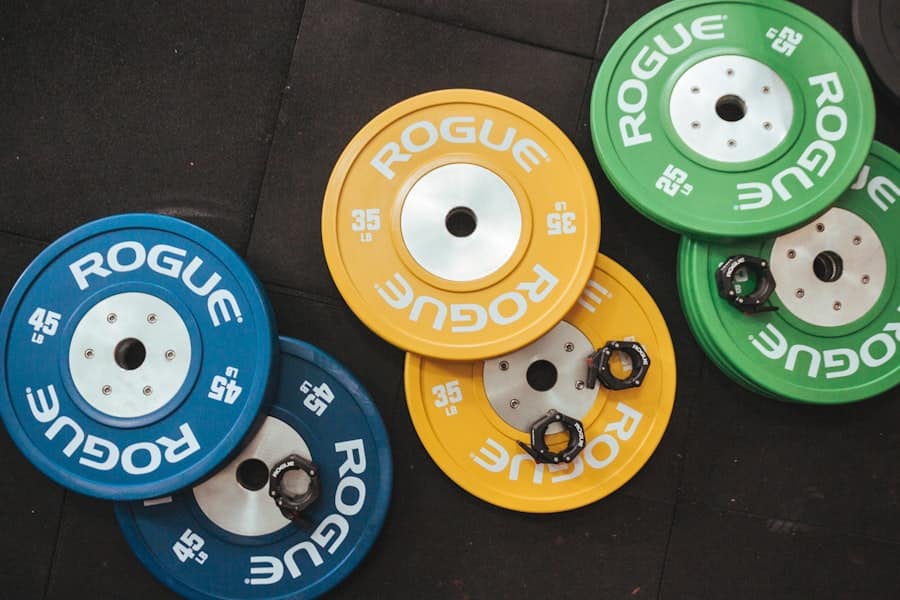
While cardiovascular fitness is vital, strength training is equally important for achieving a well-rounded fitness regimen. You might think of strength training as simply lifting weights; however, it encompasses a variety of exercises designed to improve muscle strength and endurance. Bodyweight exercises like push-ups, squats, and lunges can be just as effective as traditional weightlifting.
Incorporating strength training into your routine can lead to numerous benefits, including increased muscle mass, improved metabolism, and enhanced bone density. As you engage in strength training, you may also notice improvements in your daily functional movements. Tasks such as lifting groceries or climbing stairs become less daunting as your muscles grow stronger.
Furthermore, strength training can help prevent injuries by stabilizing joints and improving overall body mechanics. It’s essential to focus on proper form and technique to maximize benefits while minimizing the risk of injury. Whether you choose to work out at home or in a gym setting, finding a strength training routine that suits your preferences will empower you to build a stronger, healthier body.
Flexibility and Mobility
Flexibility and mobility are often overlooked components of health fitness, yet they play a crucial role in maintaining overall physical health. Flexibility refers to the range of motion in your joints and muscles, while mobility encompasses the ability to move freely and easily without restrictions. Incorporating stretching exercises into your routine can enhance flexibility, reduce muscle tension, and improve posture.
You may find that dedicating just a few minutes each day to stretching can lead to significant improvements in how your body feels and functions. Mobility exercises are equally important as they help maintain joint health and prevent stiffness. Activities such as yoga or Pilates can be excellent ways to enhance both flexibility and mobility while also promoting relaxation and mindfulness.
As you work on these aspects of fitness, you may notice an increase in your overall performance in other physical activities. Improved flexibility and mobility can lead to better balance and coordination, making it easier for you to engage in various sports or recreational activities without discomfort or risk of injury.
Balance and Coordination
Balance and coordination are essential skills that contribute significantly to overall fitness and functional movement. As you age or if you lead a sedentary lifestyle, you may find that your balance begins to decline. This can increase the risk of falls and injuries.
Incorporating balance exercises into your routine can help counteract this decline. Simple activities like standing on one leg or practicing tai chi can enhance your stability and coordination. Moreover, improving your balance can have a positive impact on other areas of fitness.
For instance, better balance allows for more effective strength training by enabling you to maintain proper form during exercises. It also enhances performance in sports and recreational activities where agility is key. As you work on developing these skills, you may find that everyday tasks become easier and more enjoyable.
Whether it’s playing with your children or participating in group sports, improved balance and coordination will empower you to engage fully in life’s activities.
Mental and Emotional Health
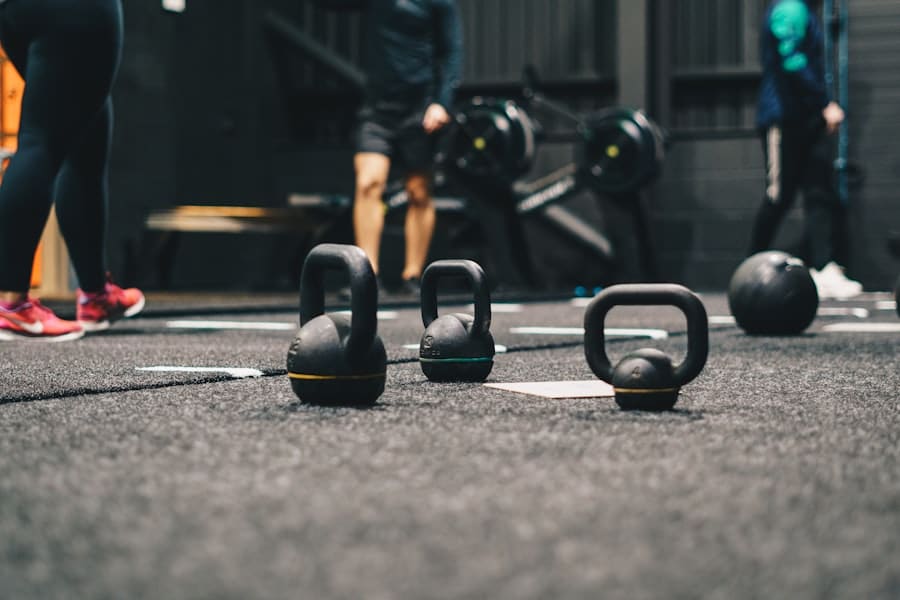
Your mental and emotional health is just as important as your physical fitness. Engaging in regular exercise has been shown to have profound effects on mental well-being. When you exercise, your body releases endorphins that can elevate your mood and reduce feelings of anxiety or depression.
You may find that after a workout session, you feel more relaxed and focused—ready to tackle whatever challenges lie ahead. In addition to the biochemical benefits of exercise, physical activity can also serve as a powerful tool for stress management. Taking time out of your day to engage in physical activity allows you to step away from daily stressors and clear your mind.
Whether it’s going for a run in nature or participating in a group fitness class, these moments of movement can provide a much-needed mental break. By prioritizing both physical activity and mental health practices such as mindfulness or meditation, you create a balanced approach that nurtures both body and mind.
Nutrition and Diet
Nutrition plays a pivotal role in supporting your health fitness journey. What you eat directly impacts your energy levels, recovery times, and overall performance in physical activities. A balanced diet rich in whole foods—such as fruits, vegetables, lean proteins, whole grains, and healthy fats—provides the nutrients necessary for optimal functioning.
You may find that by making conscious food choices, you not only feel better physically but also mentally. Understanding the importance of hydration is equally crucial. Water is essential for maintaining energy levels during workouts and aiding recovery afterward.
Dehydration can lead to fatigue and decreased performance; therefore, ensuring adequate fluid intake is vital for anyone engaged in regular physical activity. As you explore different dietary options, consider how various foods make you feel during workouts or throughout the day. By tuning into your body’s responses to different foods, you can develop a nutrition plan that supports your unique needs and goals.
Overall Wellness and Lifestyle Choices
Ultimately, achieving health fitness is about making informed lifestyle choices that promote overall wellness. This encompasses not only physical activity and nutrition but also sleep quality, stress management, and social connections. Prioritizing sleep is essential for recovery; it allows your body to repair itself after workouts while also supporting cognitive function and emotional regulation.
Additionally, fostering social connections through group activities or community events can enhance motivation and accountability on your fitness journey. Surrounding yourself with like-minded individuals who share similar goals can provide encouragement and support when challenges arise. Remember that health fitness is not a destination but rather an ongoing journey that requires commitment and adaptability.
By embracing a holistic approach that considers all aspects of wellness—physical, mental, emotional—you empower yourself to lead a fulfilling life characterized by vitality and resilience. In conclusion, embarking on a health fitness journey involves understanding various components such as cardiovascular fitness, strength training, flexibility, balance, mental health, nutrition, and overall lifestyle choices. By integrating these elements into your daily routine, you create a comprehensive approach that supports not only physical well-being but also mental clarity and emotional stability.
As you navigate this journey, remember that every small step counts; celebrate your progress along the way and remain open to learning about what works best for you. Your commitment to health fitness will ultimately lead to a more vibrant life filled with energy and purpose.
If you are interested in learning more about different types of health fitness, you may want to check out this article on group fitness experiences. Group fitness classes can offer a fun and motivating way to stay active and improve your overall health. Additionally, you can also explore the benefits of joining a health club like the one discussed in My Health Club in Los Angeles, where you can find a variety of fitness options to meet your needs. Remember, fitness doesn’t have to be boring – as highlighted in My Health Club: Where Fitness Meets Fun, you can enjoy your workouts while achieving your health goals.
FAQs
What are the different types of health fitness?
There are several types of health fitness, including cardiovascular fitness, strength training, flexibility, and balance.
What is cardiovascular fitness?
Cardiovascular fitness, also known as aerobic fitness, refers to the ability of the heart, lungs, and blood vessels to deliver oxygen to the body’s tissues during sustained physical activity.
What is strength training?
Strength training, also known as resistance training, involves using resistance to build muscle strength, endurance, and size. This can be done using weights, resistance bands, or body weight exercises.
What is flexibility?
Flexibility refers to the range of motion in a joint or group of joints. It is important for maintaining mobility and preventing injury.
What is balance?
Balance refers to the ability to maintain a stable body position, either while stationary or during movement. It is important for activities of daily living and preventing falls.
How can I improve my overall health fitness?
Improving overall health fitness involves incorporating a combination of cardiovascular fitness, strength training, flexibility, and balance exercises into your regular routine. It is also important to maintain a healthy diet and get enough rest and recovery.