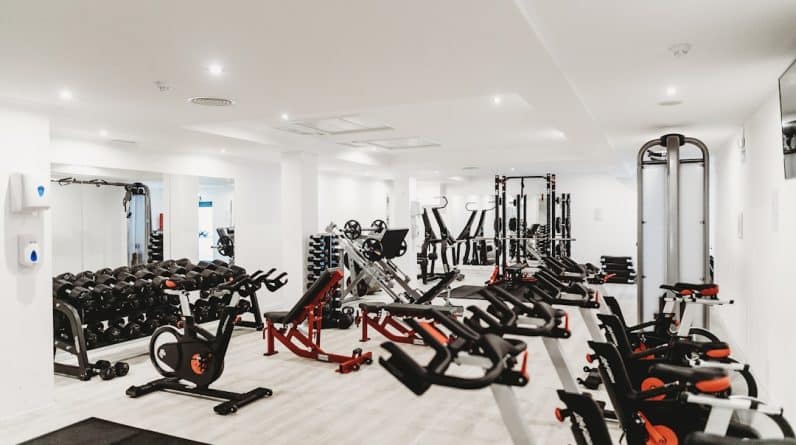
When you think about health clubs, you might envision a space filled with treadmills, weights, and group classes. However, the business model of health clubs is far more intricate than just providing access to fitness equipment. At its core, a health club operates on a membership-based model, where individuals pay a fee—monthly, annually, or per visit—to access the facilities and services offered.
This model not only generates a steady stream of income but also fosters a sense of community among members, encouraging them to return regularly and engage with the club’s offerings. In addition to membership fees, health clubs often diversify their services to enhance their appeal and profitability. Many clubs offer personal training sessions, group fitness classes, nutrition counseling, and wellness programs.
By providing a range of services, you can attract a broader audience and cater to various fitness levels and interests. This multifaceted approach not only increases revenue potential but also enhances member satisfaction, as individuals can find everything they need to achieve their fitness goals under one roof.
Key Takeaways
- Health clubs typically operate on a subscription-based business model, offering memberships and services to generate revenue.
- Factors affecting profitability in health clubs include membership retention, pricing strategies, and operational efficiency.
- Revenue streams for health clubs include membership fees, personal training services, group fitness classes, and retail sales of health and wellness products.
- Cost considerations for health clubs include facility maintenance, equipment purchases, staff salaries, and marketing expenses.
- Market trends impacting health club profitability include the rise of boutique fitness studios, the demand for personalized fitness experiences, and the integration of technology in fitness offerings.
Factors Affecting Profitability in Health Clubs
Location: A Key Determinant of Success
A health club’s location plays a significant role in its profitability. A club situated in a densely populated area with high foot traffic is more likely to attract new members than one located in a remote or less accessible region.
Understanding Demographics and Tailoring Offerings
The demographics of the surrounding community also play a crucial role in a health club’s profitability. Understanding the age, income level, and lifestyle preferences of potential members can help tailor offerings to meet their needs, increasing the likelihood of attracting and retaining members.
Quality of Service and Reputation: Critical Factors in Member Retention
The quality of service provided is critical to member retention, which is often more cost-effective than acquiring new members. Exceptional customer service, clean facilities, and well-maintained equipment can foster loyalty among members. Furthermore, a health club’s reputation can significantly impact profitability, with positive word-of-mouth and online reviews drawing in new members and negative feedback deterring potential clients.
Revenue Streams for Health Clubs

Health clubs have various revenue streams that contribute to their overall financial health. The primary source of income is typically membership fees, but there are several additional avenues that can enhance profitability. For instance, many clubs offer personal training services, which not only provide members with personalized fitness guidance but also generate extra income for the club.
By employing certified trainers and promoting their services effectively, you can tap into this lucrative market. Retail sales also represent a significant revenue stream for health clubs. Many clubs sell fitness-related products such as apparel, supplements, and equipment.
By curating a selection of high-quality merchandise that aligns with your brand and meets the needs of your members, you can create an additional source of income while enhancing the overall member experience. Additionally, hosting workshops or special events can attract non-members and generate revenue through ticket sales or participation fees.
Cost Considerations for Health Clubs
While there are numerous opportunities for revenue generation in health clubs, it is equally important to consider the associated costs that can impact profitability. One of the most significant expenses is facility maintenance. Ensuring that equipment is in good working order and that the environment is clean and inviting requires ongoing investment.
Regular maintenance not only prolongs the lifespan of your equipment but also enhances member satisfaction and retention. Staffing costs are another critical consideration. Hiring qualified trainers, administrative staff, and maintenance personnel can be expensive, but investing in skilled employees is essential for providing high-quality service.
Additionally, ongoing training and development for staff can help improve service quality and member engagement. Balancing these costs while maximizing revenue streams is crucial for maintaining a healthy bottom line.
Market Trends Impacting Health Club Profitability
The health club industry is constantly evolving, influenced by changing consumer preferences and market trends. One notable trend is the increasing demand for specialized fitness programs. As more individuals seek unique experiences tailored to their interests—such as yoga, Pilates, or high-intensity interval training—health clubs must adapt by offering diverse class schedules and specialized training options.
By staying attuned to these trends, you can position your club as a leader in the market. Another significant trend is the rise of digital fitness solutions. With the advent of technology, many consumers now prefer virtual workouts or fitness apps that allow them to exercise from home.
While this shift poses challenges for traditional health clubs, it also presents opportunities for innovation. By incorporating digital offerings—such as online classes or hybrid membership options—you can attract tech-savvy individuals who may not otherwise consider joining a physical gym.
Strategies for Increasing Profitability in Health Clubs

To enhance profitability in your health club, implementing effective strategies is essential. One approach is to focus on member retention through personalized experiences. By utilizing data analytics to understand member preferences and behaviors, you can tailor communication and offerings to meet their needs better.
For instance, sending personalized workout plans or reminders about upcoming classes can foster a sense of connection and encourage regular attendance. Additionally, consider implementing referral programs that incentivize current members to bring in new clients. Offering discounts or rewards for successful referrals can create a win-win situation where existing members feel valued while expanding your membership base.
Furthermore, hosting community events or challenges can engage both current and potential members, creating buzz around your club and attracting new clientele.
Case Studies of Successful Health Clubs
Examining successful health clubs can provide valuable insights into effective strategies for profitability. For instance, consider a club that has embraced a holistic approach to wellness by offering not only fitness classes but also nutrition workshops and mental health resources. By addressing multiple aspects of well-being, this club has cultivated a loyal member base that appreciates the comprehensive support provided.
Another example is a health club that has successfully integrated technology into its offerings. By developing an app that allows members to track their workouts, book classes, and connect with trainers virtually, this club has enhanced member engagement while catering to the growing demand for digital solutions. Such innovations not only attract new members but also create a modern and appealing environment that keeps existing clients satisfied.
Future Outlook for the Profitability of Health Clubs
Looking ahead, the future profitability of health clubs will likely be shaped by ongoing trends in consumer behavior and technological advancements. As individuals continue to prioritize health and wellness, there will be sustained demand for fitness facilities that offer diverse programming and personalized experiences. However, competition from digital fitness platforms will require traditional health clubs to innovate continually.
To thrive in this evolving landscape, you must remain adaptable and responsive to changing market dynamics. Embracing technology while maintaining a strong community focus will be key to attracting and retaining members in the years to come. By leveraging data-driven insights and fostering a culture of inclusivity and support within your club, you can position yourself for long-term success in an ever-competitive industry.
In conclusion, while the health club industry faces challenges from various fronts, there are ample opportunities for growth and profitability through strategic planning and execution. By understanding the intricacies of your business model, staying attuned to market trends, and prioritizing member satisfaction, you can navigate the complexities of this dynamic sector successfully.
Are Health Clubs Profitable? explores the financial viability of health clubs, but for those looking for success stories, My Health Club in Los Angeles provides a great example. This article showcases how a health club in a competitive market like Los Angeles can thrive and attract a loyal customer base. Additionally, My Health Club: The Ultimate Fitness Destination in Wichita offers insights into how health clubs can become a go-to spot for fitness enthusiasts in smaller cities. For those striving to achieve their fitness goals, My Health Club provides the necessary resources and support to help individuals succeed.
FAQs
What factors contribute to the profitability of health clubs?
Factors that contribute to the profitability of health clubs include membership fees, additional services such as personal training and group classes, retail sales of health and fitness products, and efficient management of operating costs.
What are some common challenges that health clubs face in maintaining profitability?
Common challenges that health clubs face in maintaining profitability include high competition in the industry, fluctuating membership numbers, rising operating costs, and the need to constantly update equipment and facilities to meet customer demands.
What are some strategies that health clubs can use to improve profitability?
Strategies that health clubs can use to improve profitability include offering attractive membership packages, diversifying services to appeal to a wider customer base, implementing cost-saving measures, and investing in marketing and customer retention efforts.
What are the average profit margins for health clubs?
The average profit margins for health clubs can vary widely depending on factors such as location, size, and management efficiency. However, industry reports suggest that the average profit margin for health clubs ranges from 10% to 20%.
How do economic trends impact the profitability of health clubs?
Economic trends can impact the profitability of health clubs by influencing consumer spending habits, disposable income, and overall demand for health and fitness services. During economic downturns, health clubs may experience a decline in membership and revenue, while economic upturns can lead to increased spending on health and fitness services.