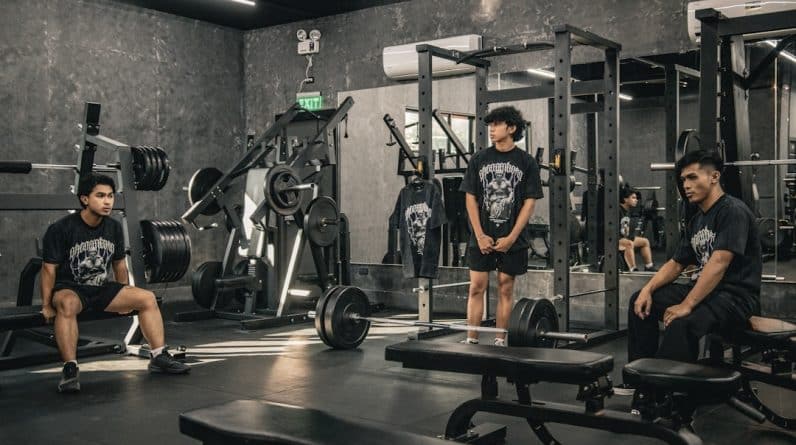
When it comes to health clubs and fitness environments, the significance of supervision and safety measures cannot be overstated. As a participant, you may find that the presence of trained staff not only enhances your experience but also ensures your well-being. Supervision is crucial, especially in settings where equipment is used or where physical activities are conducted.
Trained professionals can provide guidance on proper techniques, helping you avoid injuries that could arise from improper use of equipment or unsafe practices. This oversight fosters a culture of safety, allowing you to focus on your fitness goals without the constant worry of potential hazards. Moreover, safety measures extend beyond mere supervision.
Health clubs should implement comprehensive safety protocols, including regular maintenance of equipment and clear emergency procedures. As a member, you should feel confident that the environment is secure and that staff are prepared to handle any emergencies that may arise. This sense of security can significantly enhance your motivation to participate in various activities, knowing that your health and safety are prioritized.
In essence, effective supervision and robust safety measures create a foundation for a positive fitness experience, encouraging you to engage fully in your health journey.
Key Takeaways
- Supervision and safety measures are crucial for the well-being of teenagers in health clubs
- Age-appropriate exercise and training programs are essential for the physical development of adolescents
- Nutritional guidelines and education play a key role in promoting healthy habits among teens and children
- Psychological and emotional support is important for the mental well-being of adolescents in health clubs
- Specialized classes and activities tailored to different age groups can enhance the overall experience for teenagers in health clubs
Age-appropriate Exercise and Training Programs
Engaging in age-appropriate exercise and training programs is essential for maximizing your fitness potential while minimizing the risk of injury. As you navigate through different stages of life, your body undergoes various changes that influence your physical capabilities. For instance, children and adolescents require tailored programs that consider their developing bodies and unique needs.
These programs should focus on building foundational skills, promoting overall fitness, and instilling a love for physical activity. By participating in age-appropriate exercises, you can develop strength, flexibility, and coordination in a safe and enjoyable manner. As you transition into adulthood, your training programs should evolve to reflect your changing goals and physical abilities.
This might include more specialized workouts aimed at building muscle, improving endurance, or enhancing athletic performance. The importance of having a structured program cannot be understated; it provides you with a clear path to follow while also allowing for adjustments based on your progress. By engaging in age-appropriate training, you not only optimize your physical development but also cultivate lifelong habits that contribute to your overall health and well-being.
Nutritional Guidelines and Education for Teens and Children

Nutrition plays a pivotal role in the health and development of teens and children, making it essential for health clubs to provide comprehensive nutritional guidelines and education. As a young individual, understanding the importance of balanced nutrition can significantly impact your energy levels, growth, and overall performance in physical activities. Health clubs can serve as valuable resources by offering workshops or seminars that educate you about the fundamentals of nutrition, including macronutrients, micronutrients, and hydration.
This knowledge empowers you to make informed choices about what you eat, fostering healthier habits that can last a lifetime. In addition to education, practical applications of nutritional guidelines are equally important. Health clubs can facilitate cooking classes or meal prep sessions that allow you to apply what you’ve learned in a hands-on environment.
By engaging in these activities, you can develop essential skills that will help you make healthier food choices outside the gym. Furthermore, having access to nutritionists or dietitians within the health club can provide personalized guidance tailored to your specific needs and goals. This holistic approach to nutrition not only enhances your physical performance but also contributes to your overall well-being.
Psychological and Emotional Support for Adolescents
The journey through adolescence can be tumultuous, marked by various psychological and emotional challenges. As a young person navigating this phase of life, having access to psychological support within a health club setting can be incredibly beneficial. Many health clubs are beginning to recognize the importance of mental health and are incorporating programs designed to support emotional well-being.
These programs may include workshops on stress management, mindfulness practices, or even group therapy sessions that foster a sense of community among participants. By addressing these aspects of mental health, you can cultivate resilience and coping strategies that will serve you well throughout your life. Additionally, the social environment of a health club can play a significant role in your emotional development.
Engaging with peers who share similar interests in fitness can create a supportive network that encourages positive interactions and friendships. This sense of belonging is crucial during adolescence when social acceptance is often at the forefront of your mind. By participating in group classes or team activities, you not only improve your physical fitness but also enhance your emotional well-being through social connections.
Ultimately, prioritizing psychological support within health clubs contributes to a more holistic approach to health that encompasses both physical and mental wellness.
Specialized Classes and Activities for Different Age Groups
Health clubs have the unique opportunity to cater to various age groups by offering specialized classes and activities tailored to their specific needs and interests. For younger children, classes might focus on fun and engaging activities that promote movement while fostering social skills. These could include dance classes, obstacle courses, or even introductory sports programs designed to instill a love for physical activity from an early age.
As a child participating in these specialized classes, you not only develop essential motor skills but also build confidence as you learn new abilities in a supportive environment. As you grow older, the focus of specialized classes can shift to more advanced training techniques or competitive sports. Teenagers may benefit from strength training programs designed specifically for their age group, emphasizing proper form and technique while promoting overall fitness.
Additionally, offering classes that address specific interests—such as yoga for stress relief or martial arts for discipline—can help keep you engaged and motivated. By providing a diverse range of specialized activities, health clubs can ensure that individuals of all ages find something that resonates with them, ultimately fostering a lifelong commitment to health and fitness.
Communication and Consent for Teenagers

Effective communication is vital when it comes to ensuring that teenagers feel comfortable and empowered within health club settings. As a young individual navigating this space, it’s essential for you to understand the importance of consent—both in terms of participation in activities and in discussions about personal health goals. Health clubs should prioritize open lines of communication between staff and members, creating an environment where you feel safe expressing your thoughts or concerns.
This could involve regular check-ins with trainers or facilitators who are trained to listen actively and respond appropriately. Moreover, consent extends beyond just verbal communication; it also encompasses understanding the boundaries of participation in various programs or activities. Health clubs should provide clear information about what each class entails, including any potential risks involved.
This transparency allows you to make informed decisions about what you’re comfortable participating in while fostering a sense of autonomy over your fitness journey. By prioritizing communication and consent, health clubs can create an inclusive atmosphere where teenagers feel respected and valued.
Role of Parents and Guardians in Supporting Health Club Attendance
The involvement of parents and guardians is crucial when it comes to supporting teenagers’ attendance at health clubs. As a young individual seeking to improve your fitness levels or engage in physical activities, having the backing of your family can significantly enhance your motivation and commitment. Parents play an essential role in encouraging healthy habits by modeling active lifestyles themselves and facilitating access to health club memberships or programs.
Their support not only provides practical assistance but also reinforces the importance of prioritizing health and wellness. Additionally, parents can help foster a positive attitude toward fitness by participating alongside you in activities at the health club. Whether it’s joining a family workout class or attending events together, shared experiences can strengthen bonds while promoting healthy habits as a family unit.
Open discussions about fitness goals and challenges can also create an environment where you feel comfortable sharing your aspirations or concerns with your parents. Ultimately, parental involvement is instrumental in shaping your attitude toward fitness and encouraging lifelong habits that contribute to overall well-being.
Legal and Ethical Considerations for Health Clubs Regarding Minors
When it comes to minors participating in health club activities, legal and ethical considerations are paramount. Health clubs must adhere to specific regulations designed to protect young individuals from potential harm while ensuring their rights are respected. This includes obtaining parental consent for minors participating in certain programs or using specific equipment.
As a teenager navigating this environment, it’s essential for you to understand these legal frameworks as they serve to safeguard your well-being while allowing you to engage in fitness activities responsibly. Ethically speaking, health clubs have a responsibility to create safe spaces for minors where they can thrive physically and emotionally without fear of exploitation or harm. This involves implementing policies that prioritize the safety of young members while promoting inclusivity and respect among all participants.
Staff should be trained not only in fitness instruction but also in recognizing signs of distress or discomfort among minors, ensuring they are equipped to respond appropriately if issues arise. By addressing these legal and ethical considerations comprehensively, health clubs can foster an environment where young individuals feel secure as they pursue their fitness journeys.
When considering age-specific considerations for teens or children attending health clubs, it is important to also focus on their weight loss journeys. This article on weight loss journeys provides valuable insights on how young individuals can achieve their fitness goals in a safe and effective manner. By combining proper nutrition, exercise, and guidance from fitness professionals, teens and children can navigate their weight loss journey with confidence and success.
FAQs
What are age-specific considerations for teens or children attending health clubs?
Some age-specific considerations for teens or children attending health clubs include supervision, appropriate equipment, and tailored exercise programs.
Why is supervision important for teens or children attending health clubs?
Supervision is important for teens or children attending health clubs to ensure their safety, proper use of equipment, and adherence to exercise guidelines.
What type of equipment is appropriate for teens or children attending health clubs?
Appropriate equipment for teens or children attending health clubs includes age-appropriate weights, resistance bands, stability balls, and cardio machines with adjustable settings.
How can exercise programs be tailored for teens or children attending health clubs?
Exercise programs can be tailored for teens or children attending health clubs by focusing on age-appropriate activities, proper form, and gradual progression to prevent injury and promote physical development.