Engaging in rehabilitative exercise offers a multitude of benefits that extend far beyond physical recovery. As you embark on this journey, you may find that these exercises not only help to restore your strength and mobility but also enhance your mental and emotional well-being. The process of rehabilitation often involves a structured approach to physical activity, which can lead to improved cardiovascular health, increased flexibility, and better muscle tone.
You may notice that as you progress through your rehabilitation program, your body becomes more resilient, allowing you to perform daily activities with greater ease and confidence. Moreover, rehabilitative exercise can significantly boost your mental health. The act of moving your body releases endorphins, which are natural mood lifters.
You might find that regular participation in these exercises helps alleviate feelings of anxiety and depression, fostering a sense of accomplishment and empowerment. As you witness your own progress, whether it’s regaining the ability to walk without assistance or simply feeling more energetic, you may experience a renewed sense of purpose and motivation in your life. This holistic approach to recovery emphasizes the interconnectedness of physical and mental health, making rehabilitative exercise a vital component of your overall well-being.
Key Takeaways
- Rehabilitative exercise can improve flexibility, strength, and overall physical function
- Tailoring exercise programs to individual needs and abilities is crucial for successful recovery
- Health clubs can provide a supportive and motivating environment for rehabilitative exercise
- Creating a supportive and inclusive atmosphere is essential for those engaging in rehabilitative exercise
- Integrating exercise into a holistic recovery plan can lead to improved physical and mental wellbeing
Tailoring Exercise Programs for Recovery
When it comes to rehabilitative exercise, one size does not fit all. Tailoring exercise programs to meet your specific needs is crucial for effective recovery. As you work with healthcare professionals, they will assess your individual condition, taking into account factors such as your injury history, current physical capabilities, and personal goals.
This personalized approach ensures that the exercises you engage in are not only safe but also effective in addressing your unique challenges. You may find that a customized program allows you to focus on particular areas that require attention, whether it’s strengthening weak muscles or improving your range of motion. In addition to physical considerations, your emotional and psychological needs should also be factored into your exercise program.
You might benefit from incorporating activities that you enjoy or that resonate with you personally. For instance, if you find joy in dancing or swimming, integrating these elements into your rehabilitation can make the process more enjoyable and sustainable. By aligning your exercise routine with your interests and preferences, you are more likely to stay committed to your recovery journey, ultimately leading to better outcomes.
The Role of Health Clubs in Supporting Recovery

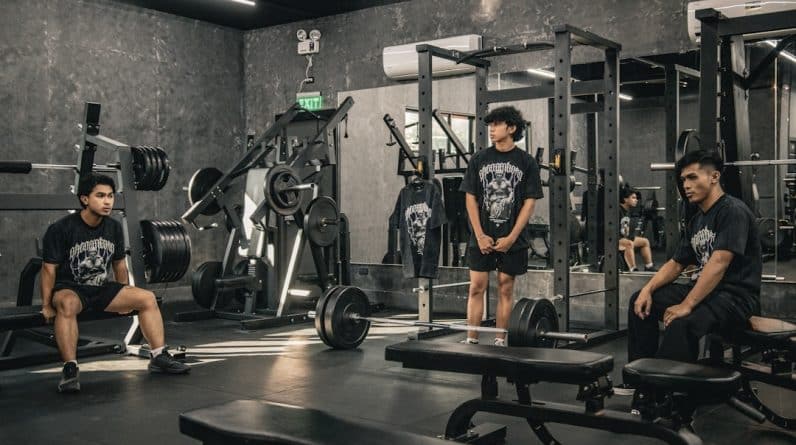
Health clubs play a pivotal role in supporting individuals on their path to recovery through rehabilitative exercise. These facilities often provide access to specialized equipment and trained professionals who can guide you through your rehabilitation journey. When you step into a health club, you may find an environment that is not only conducive to physical activity but also filled with a sense of community and support.
Being surrounded by others who are also focused on their health can be incredibly motivating and can help foster a sense of belonging. Furthermore, many health clubs offer group classes specifically designed for rehabilitation purposes. Participating in these classes can provide you with the opportunity to connect with others who share similar experiences and challenges.
This camaraderie can be invaluable as you navigate the ups and downs of recovery. Additionally, health clubs often have resources such as nutritionists and wellness coaches who can provide guidance on how to complement your exercise routine with healthy eating habits, further enhancing your recovery process.
Creating a Supportive Environment for Rehabilitative Exercise
Creating a supportive environment for rehabilitative exercise is essential for fostering motivation and commitment to your recovery journey. This environment can be cultivated both at home and in community settings. At home, consider designating a specific area for your exercises where you feel comfortable and focused.
Surrounding yourself with positive affirmations or reminders of your goals can help reinforce your commitment to rehabilitation. You might also want to involve family members or friends in your journey; their encouragement can provide an additional layer of support that keeps you accountable. In community settings, such as health clubs or rehabilitation centers, the atmosphere should promote inclusivity and understanding.
Engaging with others who are on similar paths can create a sense of solidarity that enhances your experience. You may find that sharing stories and challenges with fellow participants not only provides emotional support but also offers practical tips and strategies for overcoming obstacles. A supportive environment encourages open communication about struggles and successes, allowing you to celebrate milestones together and maintain motivation throughout the rehabilitation process.
Integrating Rehabilitative Exercise into a Holistic Recovery Plan
Integrating rehabilitative exercise into a holistic recovery plan is crucial for achieving comprehensive healing. This approach recognizes that recovery involves not just physical rehabilitation but also emotional and psychological healing. As you work towards regaining strength and mobility, it’s important to consider other aspects of your life that contribute to overall well-being.
This might include mindfulness practices such as meditation or yoga, which can help reduce stress and improve mental clarity. Additionally, nutrition plays a significant role in recovery. You may want to consult with a nutritionist to develop a meal plan that supports your physical activity and healing process.
Proper nutrition can enhance energy levels, aid in muscle repair, and boost your immune system, all of which are vital during rehabilitation. By viewing your recovery through a holistic lens, you empower yourself to take charge of your health in multiple dimensions, ultimately leading to more sustainable results.
The Importance of Professional Guidance in Rehabilitative Exercise

Confidence in the Recovery Process
As you engage in rehabilitative exercises under their supervision, you can feel confident that you are taking the right steps toward recovery. Moreover, professional guidance provides an opportunity for ongoing assessment and adjustment of your exercise program. As you progress through your rehabilitation journey, your needs may change; having a professional by your side allows for real-time modifications that keep you on track toward achieving your goals.
Personalized Feedback and Support
They can also offer valuable feedback on your form and technique, ensuring that you perform exercises correctly and effectively. This level of support not only enhances the quality of your rehabilitation but also instills a sense of trust in the process.
Enhancing the Quality of Rehabilitation
By working with a qualified healthcare professional, you can ensure that you receive the highest level of care and support throughout your rehabilitation journey. Their expertise and guidance will help you achieve your goals and regain optimal health and function.
Overcoming Challenges in Rehabilitative Exercise
While rehabilitative exercise offers numerous benefits, it is not without its challenges. You may encounter physical limitations or emotional barriers that make it difficult to stay committed to your program. It’s essential to acknowledge these challenges rather than shy away from them; doing so allows you to develop strategies for overcoming them.
For instance, if you experience pain during certain exercises, communicating this with your healthcare provider can lead to modifications that better suit your current abilities. Additionally, mental hurdles such as fear of re-injury or frustration with slow progress can hinder your motivation. It’s important to cultivate resilience during this time; remind yourself that recovery is often a gradual process filled with ups and downs.
Setting small, achievable goals can help maintain motivation and provide a sense of accomplishment along the way. Surrounding yourself with supportive individuals who understand the challenges of rehabilitation can also make a significant difference in how you navigate these obstacles.
The Impact of Rehabilitative Exercise on Overall Wellbeing
The impact of rehabilitative exercise on overall well-being is profound and far-reaching. As you engage in regular physical activity designed for recovery, you may notice improvements not only in your physical health but also in various aspects of your life. Enhanced mobility and strength can lead to greater independence in daily activities, allowing you to reclaim control over your life after an injury or illness.
This newfound freedom can significantly boost self-esteem and confidence. Furthermore, the mental health benefits associated with rehabilitative exercise cannot be overstated. Regular physical activity has been shown to reduce symptoms of anxiety and depression while promoting better sleep quality and cognitive function.
As you continue on this path toward recovery, the positive effects on both body and mind create a synergistic relationship that enhances overall well-being. Ultimately, embracing rehabilitative exercise as part of your recovery journey empowers you to lead a healthier, more fulfilling life—one where challenges are met with resilience and determination.
If you are interested in exploring different fitness options to support your recovery, you may want to check out Skiing and Snowboarding Fitness. This article discusses how engaging in winter sports can provide a fun and effective way to improve your physical health and overall well-being. By incorporating activities like skiing and snowboarding into your exercise routine, you can work on building strength, balance, and endurance while enjoying the great outdoors.
FAQs
What is rehabilitative exercise?
Rehabilitative exercise refers to a structured and supervised exercise program designed to help individuals recover from injury, surgery, or illness. It aims to improve strength, flexibility, and overall function, with the goal of returning to normal activities.
How can health clubs support recovery through rehabilitative exercise?
Health clubs can support recovery through rehabilitative exercise by providing access to fitness professionals who are trained in working with individuals recovering from injury or illness. They can offer specialized equipment, tailored exercise programs, and a supportive environment for those undergoing rehabilitation.
What are the benefits of rehabilitative exercise in a health club setting?
The benefits of rehabilitative exercise in a health club setting include access to professional guidance, a variety of exercise equipment, a supportive community, and a structured program tailored to individual needs. This can lead to improved recovery outcomes and overall well-being.
Who can benefit from rehabilitative exercise in a health club?
Anyone recovering from injury, surgery, or illness can benefit from rehabilitative exercise in a health club. This includes individuals with orthopedic injuries, chronic conditions, neurological disorders, and those seeking to regain strength and function after a period of inactivity.
What should individuals consider when choosing a health club for rehabilitative exercise?
When choosing a health club for rehabilitative exercise, individuals should consider the qualifications of the fitness professionals, the availability of specialized equipment, the club’s experience in working with rehabilitation clients, and the overall supportive and inclusive environment. It’s important to find a club that can cater to specific recovery needs.