Physical fitness is a multifaceted concept that encompasses various components essential for overall health and well-being. It is not merely about looking good or achieving a certain aesthetic; rather, it involves a holistic approach to maintaining a healthy body and mind. As you embark on your journey toward physical fitness, it’s crucial to understand the different elements that contribute to your overall physical capabilities.
By recognizing these components, you can tailor your fitness regimen to meet your personal goals and enhance your quality of life. In today’s fast-paced world, the importance of physical fitness cannot be overstated. Regular physical activity can help you manage stress, improve mood, and boost energy levels.
Moreover, engaging in a well-rounded fitness program can reduce the risk of chronic diseases, enhance mental clarity, and promote longevity. As you delve deeper into the various aspects of physical fitness, you will discover how each component plays a vital role in achieving a balanced and healthy lifestyle.
Key Takeaways
- Physical fitness is the ability to carry out daily tasks with vigor and alertness, without undue fatigue, and with ample energy to enjoy leisure-time pursuits and to meet unforeseen emergencies.
- Cardiovascular endurance refers to the ability of the heart, blood vessels, and respiratory system to deliver oxygen and nutrients to the working muscles during prolonged exercise.
- Muscular strength is the ability of a muscle or group of muscles to exert force against resistance.
- Muscular endurance is the ability of a muscle or group of muscles to sustain repeated contractions against a resistance for an extended period of time.
- Flexibility is the ability of a joint or series of joints to move through an unrestricted, pain-free range of motion.
Cardiovascular Endurance
Improving Heart and Lung Function
Engaging in activities such as running, cycling, or swimming not only improves your heart and lung function but also enhances your overall stamina. Regular aerobic exercise helps to strengthen your heart, increasing its efficiency in pumping blood and delivering oxygen to your muscles.
Developing Cardiovascular Endurance
To develop your cardiovascular endurance, incorporate various forms of aerobic exercise into your routine. Activities like brisk walking, dancing, or participating in group fitness classes can elevate your heart rate and challenge your cardiovascular system. As you gradually increase the intensity and duration of your workouts, you will notice improvements in your endurance levels.
Benefits of Cardiovascular Endurance
This progress will not only make daily activities feel easier but will also contribute to better overall health by reducing the risk of heart disease and other related conditions. By improving your cardiovascular endurance, you can enjoy a healthier and more active lifestyle.
Muscular Strength

Muscular strength is another essential component of physical fitness that focuses on the maximum amount of force your muscles can exert in a single effort. Building strength is vital for performing everyday tasks, such as lifting heavy objects or climbing stairs, with ease and efficiency. Additionally, increased muscular strength can enhance your athletic performance and support joint stability, reducing the risk of injury during physical activities.
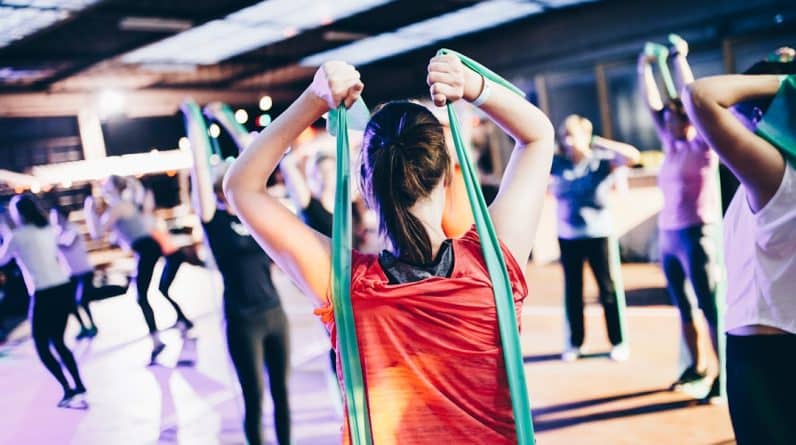
To improve your muscular strength, you can engage in resistance training exercises that target various muscle groups. This can include weightlifting, bodyweight exercises like push-ups and squats, or using resistance bands. It’s important to focus on proper form and technique to maximize the benefits of your workouts while minimizing the risk of injury.
As you progressively increase the weights or resistance levels, you will notice significant gains in strength, which will empower you to tackle more challenging physical tasks with confidence.
Muscular Endurance
While muscular strength focuses on the maximum force exerted by your muscles, muscular endurance refers to your muscles’ ability to sustain repeated contractions over an extended period. This component of fitness is particularly important for athletes who participate in sports requiring prolonged physical exertion, such as distance running or cycling. However, it is equally beneficial for anyone looking to improve their overall fitness and daily functioning.
To enhance your muscular endurance, you can incorporate high-repetition strength training into your routine. This involves performing exercises with lighter weights for more repetitions, which helps build stamina in your muscles. Activities like circuit training or high-intensity interval training (HIIT) can also be effective in boosting muscular endurance while providing cardiovascular benefits.
As you work on this aspect of fitness, you will find that everyday tasks become less taxing, allowing you to maintain energy levels throughout the day.
Flexibility
Flexibility is often an overlooked component of physical fitness, yet it plays a crucial role in maintaining overall health and preventing injuries. It refers to the range of motion available at your joints and the elasticity of your muscles and connective tissues. Improved flexibility can enhance athletic performance, reduce muscle soreness after workouts, and promote better posture and alignment.
To increase your flexibility, incorporating stretching exercises into your routine is essential. Dynamic stretches before workouts can help warm up your muscles and prepare them for activity, while static stretches after exercise can aid in recovery and improve overall flexibility. Activities such as yoga or Pilates are excellent ways to enhance flexibility while also promoting relaxation and mindfulness.
As you commit to regular stretching practices, you will likely notice increased mobility and a greater sense of ease in your movements.
Body Composition

Body composition refers to the proportion of fat mass to lean mass (muscles, bones, organs) in your body. Understanding your body composition is vital for assessing overall health and fitness levels. A healthy body composition typically includes a lower percentage of body fat and a higher percentage of lean muscle mass.
Achieving an optimal body composition can lead to improved physical performance, enhanced metabolic function, and reduced risk of chronic diseases. To improve your body composition, it’s essential to focus on both nutrition and exercise. A balanced diet rich in whole foods—such as fruits, vegetables, lean proteins, and whole grains—can support muscle growth while helping you manage body fat levels.
Additionally, combining cardiovascular exercise with strength training will help you build lean muscle mass while burning excess fat. As you monitor changes in your body composition over time, you will gain valuable insights into how your lifestyle choices impact your overall health.
Power
Power is a dynamic component of physical fitness that combines strength and speed to produce explosive movements. It is particularly important for athletes involved in sports that require quick bursts of energy, such as sprinting or jumping. However, power is also beneficial for everyday activities that demand quick reactions or sudden movements.
To develop power, you can incorporate plyometric exercises into your training regimen. These exercises involve explosive movements that engage multiple muscle groups simultaneously, such as box jumps or medicine ball throws. Additionally, Olympic weightlifting techniques can also enhance power by focusing on rapid force production.
As you work on building power, you will likely notice improvements in your athletic performance as well as increased confidence in your physical abilities.
In conclusion, understanding the various components of physical fitness is essential for anyone looking to improve their health and well-being. By focusing on cardiovascular endurance, muscular strength, muscular endurance, flexibility, body composition, and power, you can create a well-rounded fitness program tailored to your individual needs and goals. Each element plays a unique role in enhancing your overall physical capabilities and contributes to a healthier lifestyle.
As you embark on this journey toward improved physical fitness, remember that consistency is key. Set realistic goals for yourself and celebrate small victories along the way. Whether you’re aiming to run a marathon or simply want to feel more energetic throughout the day, embracing a holistic approach to fitness will empower you to achieve lasting results.
Ultimately, investing time and effort into developing these components will not only enhance your physical abilities but also enrich your life in countless ways.
If you are looking to improve your physical fitness, it is important to consider incorporating flexibility and mobility training into your routine. This type of training can help prevent injuries and improve overall performance in various physical activities. To learn more about the benefits of flexibility and mobility training, check out this article on Flexibility and Mobility Training.
FAQs
What are the 7 concepts of physical fitness?
The 7 concepts of physical fitness are: cardiovascular endurance, muscular strength, muscular endurance, flexibility, body composition, power, and speed.
What is cardiovascular endurance?
Cardiovascular endurance refers to the ability of the heart, lungs, and blood vessels to deliver oxygen to the body’s tissues during prolonged physical activity.
What is muscular strength?
Muscular strength is the ability of a muscle or group of muscles to exert force against resistance.
What is muscular endurance?
Muscular endurance is the ability of a muscle or group of muscles to sustain repeated contractions or to continue applying force against a fixed object.
What is flexibility?
Flexibility refers to the range of motion in a joint or group of joints.
What is body composition?
Body composition refers to the proportion of fat and fat-free mass (muscle, bone, and water) in the body.
What is power in physical fitness?
Power is the ability to exert maximum muscular contraction in explosive bursts of movements.
What is speed in physical fitness?
Speed is the ability to move quickly across the ground or move limbs rapidly to grab or throw.