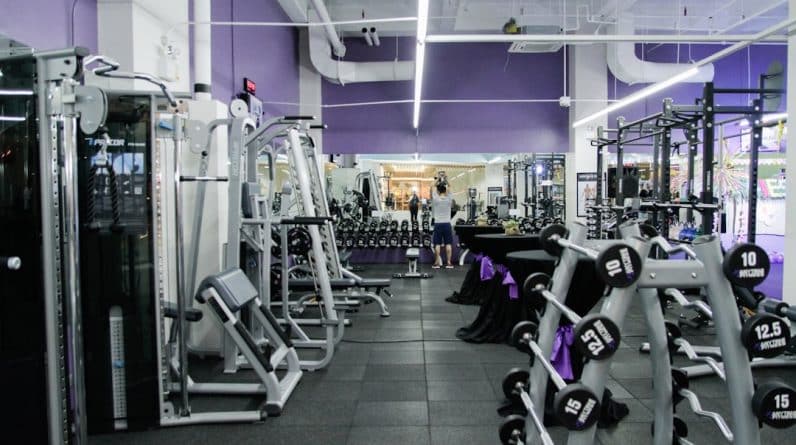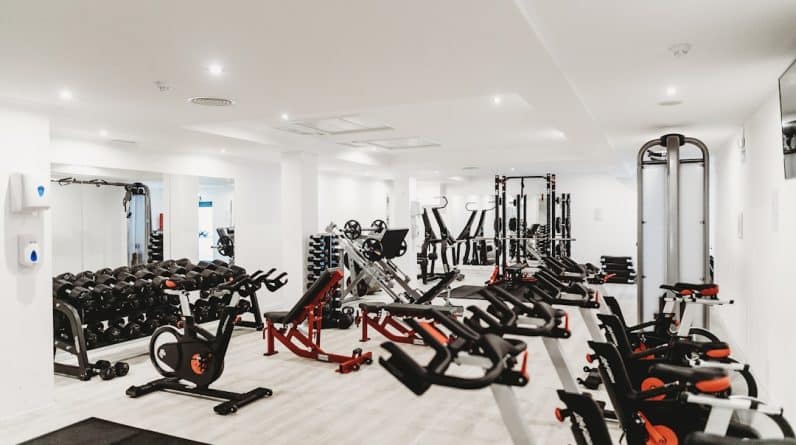
The health club industry has evolved significantly over the past few decades, transforming from a niche market into a mainstream phenomenon. As you step into a modern health club, you are greeted by a vibrant atmosphere filled with the sounds of clanking weights, upbeat music, and the chatter of fitness enthusiasts. This industry encompasses a wide range of facilities, including gyms, fitness studios, and wellness centers, all designed to cater to the growing demand for health and fitness services.
With an increasing awareness of the importance of physical well-being, more individuals are seeking out these spaces to improve their health, build community, and achieve personal fitness goals. As you navigate through this dynamic landscape, it becomes clear that the health club industry is not just about exercise; it’s about lifestyle. The rise of technology has also played a pivotal role in shaping this sector.
From fitness apps to virtual classes, the integration of digital tools has made it easier for you to track your progress and stay motivated. Moreover, the COVID-19 pandemic has further accelerated changes in consumer behavior, leading to a surge in online fitness offerings and hybrid models that combine in-person and virtual experiences. Understanding the various forces at play in this industry is crucial for anyone looking to engage with or invest in health clubs.
Key Takeaways
- The health club industry is a growing and competitive market that offers fitness and wellness services to consumers.
- The threat of new entrants in the health club industry is moderate, as it requires significant capital investment and brand recognition to compete with established players.
- Buyers in the health club industry have high bargaining power due to the availability of alternative fitness options and the ability to easily switch between providers.
- Suppliers in the health club industry have moderate bargaining power, as there are multiple equipment and service providers available to health clubs.
- The threat of substitutes in the health club industry is high, as consumers have access to various alternative fitness options such as home workouts, outdoor activities, and online fitness programs.
- The intensity of competitive rivalry in the health club industry is high, with numerous health clubs vying for market share and consumer loyalty.
- The impact of the five forces on the health club industry results in a challenging and competitive landscape, with high buyer power, threat of substitutes, and competitive rivalry.
- In conclusion, the health club industry faces significant competition and challenges from various forces, but there are opportunities for growth and innovation in the future, especially with the rise of digital fitness solutions.
Threat of New Entrants
When considering the health club industry, one of the first factors to evaluate is the threat posed by new entrants. As you observe the market, you may notice that barriers to entry can vary significantly. On one hand, starting a small fitness studio or boutique gym may require relatively low capital investment and minimal regulatory hurdles.
This accessibility can encourage aspiring entrepreneurs to enter the market, leading to an influx of new businesses that cater to niche audiences or specific fitness trends. However, as you delve deeper into the competitive landscape, you will find that establishing a successful health club is not as straightforward as it may seem. The need for brand recognition, customer loyalty, and effective marketing strategies can create significant challenges for newcomers.
Established players often have the advantage of economies of scale, allowing them to offer competitive pricing and a wider range of services. Additionally, as you consider factors such as location and facility quality, it becomes evident that new entrants must differentiate themselves to capture market share effectively.
Bargaining Power of Buyers

In the health club industry, the bargaining power of buyers plays a crucial role in shaping business strategies. As a consumer, you have access to a plethora of options when it comes to choosing a gym or fitness facility. This abundance of choices empowers you to demand better services, pricing, and amenities.
With numerous health clubs vying for your attention, your preferences and expectations can significantly influence how businesses operate. Moreover, the rise of online reviews and social media has amplified your voice as a buyer. You can easily share your experiences and opinions about a particular health club, which can sway potential customers and impact a gym’s reputation.
As you weigh your options, factors such as membership fees, class offerings, and facility cleanliness become paramount in your decision-making process. Health clubs must remain attuned to these buyer preferences and adapt their offerings accordingly to retain existing members and attract new ones.
Bargaining Power of Suppliers
While buyers hold considerable power in the health club industry, suppliers also play a vital role in shaping the landscape. As you explore various health clubs, you may notice that they rely on a range of suppliers for equipment, fitness classes, nutritional products, and even technology solutions. The bargaining power of these suppliers can vary based on their market presence and the uniqueness of their offerings.
For instance, if a health club relies on a specific brand of gym equipment that is not widely available, that supplier may hold significant leverage in negotiations. Conversely, if there are multiple suppliers offering similar products or services, health clubs can negotiate better terms and prices. As you consider the implications of supplier power, it becomes clear that maintaining strong relationships with vendors is essential for health clubs to ensure they have access to high-quality resources while keeping costs manageable.
Threat of Substitutes
In today’s fast-paced world, the threat of substitutes is ever-present in the health club industry. As you evaluate your fitness options, you may find yourself drawn to alternatives such as home workout programs, outdoor activities, or even virtual fitness classes. These substitutes can provide convenience and flexibility that traditional gyms may struggle to match.
The rise of at-home fitness equipment and streaming services has made it easier than ever for you to pursue your fitness goals without stepping foot in a gym. However, while substitutes pose a challenge to traditional health clubs, they also present opportunities for innovation. Many gyms have begun to adapt by offering hybrid models that incorporate both in-person and virtual experiences.
By embracing technology and creating engaging online content, health clubs can attract members who prefer the convenience of working out at home while still providing an option for those who thrive in a communal environment. As you consider your own fitness journey, it’s essential to recognize how these substitutes influence your choices and how health clubs are responding to this evolving landscape.
Intensity of Competitive Rivalry

The intensity of competitive rivalry within the health club industry is palpable as you observe various establishments vying for your attention and membership dollars. With numerous players in the market—ranging from large chains to boutique studios—competition is fierce. Each facility strives to differentiate itself through unique offerings such as specialized classes, state-of-the-art equipment, or exceptional customer service.
As you explore different gyms, you may notice that many are willing to invest heavily in marketing campaigns and promotional offers to attract new members. This competitive environment can lead to price wars and increased marketing expenditures as businesses seek to capture your interest. Additionally, loyalty programs and referral incentives are common strategies employed by health clubs to retain existing members while enticing newcomers.
The result is an ever-evolving landscape where innovation and adaptability are key for success.
The Impact of the Five Forces on the Health Club Industry
The interplay of these five forces—threat of new entrants, bargaining power of buyers, bargaining power of suppliers, threat of substitutes, and intensity of competitive rivalry—creates a complex environment for health clubs. As you analyze these dynamics, it becomes evident that they collectively shape the strategies employed by businesses within this sector. For instance, established gyms may focus on enhancing member experience through personalized training programs or community-building events to counteract buyer power.
Moreover, understanding supplier relationships is crucial for maintaining operational efficiency and cost-effectiveness. Health clubs that can negotiate favorable terms with suppliers will be better positioned to offer competitive pricing without sacrificing quality. Additionally, as substitutes continue to emerge and evolve, health clubs must remain agile in their offerings—whether through innovative class formats or enhanced digital experiences—to stay relevant in an increasingly crowded marketplace.
Ultimately, the impact of these five forces underscores the importance of strategic planning and market awareness for anyone involved in the health club industry. By recognizing how these forces interact with one another, businesses can make informed decisions that align with consumer preferences while navigating challenges posed by competition and external factors.
Conclusion and Future Outlook
As you reflect on the current state of the health club industry and its future outlook, it becomes clear that adaptability will be key to success in this ever-changing landscape. The ongoing evolution of consumer preferences—shaped by technological advancements and societal shifts—will continue to influence how health clubs operate. Embracing innovation will be essential for attracting new members while retaining existing ones.
Looking ahead, you can expect to see further integration of technology within health clubs as they strive to enhance member experiences through personalized training programs and virtual offerings. Additionally, sustainability practices may become increasingly important as consumers prioritize environmentally friendly options in their fitness journeys. As you engage with this industry—whether as a consumer or an entrepreneur—staying informed about emerging trends will be crucial for navigating the complexities of the health club market.
In conclusion, the health club industry presents both challenges and opportunities shaped by various forces at play. By understanding these dynamics and remaining responsive to changing consumer needs, businesses can position themselves for long-term success in this vibrant sector dedicated to promoting health and wellness.
If you are interested in learning more about staying hydrated during health club workouts, check out this article to see if there are experts available at your health club. And if you happen to be in Atlanta and are looking for a health club to join, you can read about this health club in Atlanta to see if it meets your needs and preferences.
FAQs
What are the five forces of the health club industry?
The five forces of the health club industry are the threat of new entrants, the bargaining power of buyers, the bargaining power of suppliers, the threat of substitute products or services, and the intensity of competitive rivalry.
How does the threat of new entrants impact the health club industry?
The threat of new entrants in the health club industry can impact existing clubs by increasing competition, potentially leading to price wars and decreased profitability.
What is the bargaining power of buyers in the health club industry?
The bargaining power of buyers in the health club industry refers to the ability of customers to negotiate prices and terms of service. In a highly competitive market, buyers may have more power to demand lower prices or better services.
How does the bargaining power of suppliers affect the health club industry?
The bargaining power of suppliers in the health club industry can impact clubs by influencing the availability and cost of equipment, facilities, and other resources necessary for operation.
What is the threat of substitute products or services in the health club industry?
The threat of substitute products or services in the health club industry refers to the potential for customers to choose alternative forms of exercise or wellness activities, such as home workouts, outdoor activities, or other fitness options.
How does the intensity of competitive rivalry impact the health club industry?
The intensity of competitive rivalry in the health club industry can impact clubs by influencing pricing strategies, marketing efforts, and the overall customer experience in order to differentiate from competitors and attract and retain members.