What Role Does Mental Health And Stress Management Play In Health Club Fitness?
Have you ever wondered how your mental health and stress levels impact your fitness journey at the health club? Many focus solely on physical exercises and neglect the cognitive component, yet mental well-being plays a crucial role in achieving fitness goals. Understanding the connection between mental health, stress management, and physical fitness can unlock new avenues for a more fulfilling and effective workout regimen.

The Interconnection of Mental Health and Physical Fitness
Mental Health’s Impact on Physical Performance
Your mental health can significantly affect your physical performance. When you are mentally healthy, you have the motivation and energy to push through challenging workouts. Conversely, poor mental health can lead to reduced stamina and an increased likelihood of skipping workouts. Mental health issues like depression and anxiety can also manifest physically, affecting everything from your muscle tone to your cardiovascular health.
Physical Activity as a Mental Health Booster
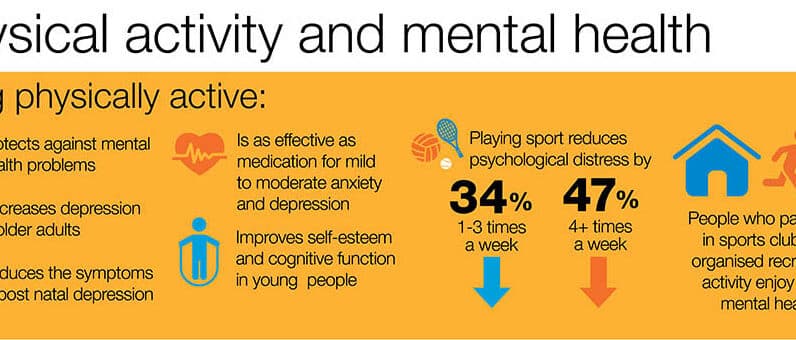
Interestingly, the relationship works both ways. Engaging in physical activity can positively influence your mental health. Exercise releases endorphins, the body’s natural stress relievers, which improve your mood and overall well-being. This endorphin boost is sometimes called the “runner’s high,” but you can experience it through various forms of exercise, not just running.
How Stress Affects Your Workout Routine
Stress can be both a motivator and a deterrent in fitness. In small amounts, stress can push you to perform better and build resilience. However, chronic stress can be detrimental, leading to burnout, injury, and mental fatigue. Understanding your stress levels and managing them effectively is crucial for a consistent and effective workout regimen.
Importance of Integrating Mental Health Strategies in Health Club Fitness
Building a Holistic Fitness Plan
A holistic fitness plan integrates physical, mental, and emotional well-being elements. Including mental health strategies in your fitness routine helps you address the root causes of stress and anxiety, thus improving both your mental and physical health. A well-rounded approach ensures that you are not merely treating symptoms but enhancing your overall quality of life.
Key Mental Health Practices
- Mindfulness and Meditation: These practices can help you stay in the moment, reduce anxiety, and improve focus and concentration during workouts.
- Cognitive Behavioral Techniques (CBT): CBT strategies can help you change negative thought patterns that hinder your fitness progress.
- Stress-Relief Activities: Activities like yoga and deep-breathing exercises can effectively manage stress.
Role of the Health Club Environment
A supportive and stress-free health club environment can make a big difference in your mental and physical health journey. Health clubs that offer mental health resources and stress management workshops create a community where you can thrive. Group classes and social interactions also significantly reduce feelings of isolation and improve your mental health.
Practical Tips for Balancing Mental Health and Fitness Goals
Goal Setting with a Mental Health Perspective
While setting fitness goals, consider your mental well-being. Aim for realistic, achievable milestones that are manageable. Balance is critical; too much focus on physical goals can lead to neglecting mental health.
Incorporate Rest and Recovery
Your body and mind need time to recover between workouts. Incorporate rest days in your routine to prevent burnout. Use these days to engage in activities that you find relaxing and rejuvenating.
Create a Support System
Having a support system can keep you motivated and accountable. Whether it’s a workout buddy, a personal trainer, or joining group classes, connecting with others who share your fitness goals can provide emotional support and encouragement.
Specialized Programs and Classes for Mental Health and Stress Management
Yoga and Mindfulness Classes
Yoga combines physical postures, breathing exercises, and meditation to boost physical and mental health. It helps improve flexibility, muscle strength, and mental clarity. Mindfulness classes focus on techniques like meditation, helping you manage stress and stay present during your workouts.
Stress Reduction Workshops
Workshops focusing on stress management techniques can provide valuable tools and strategies. These might include guided meditation, relaxation techniques, and discussions on effectively managing daily stressors. Such workshops can be a great addition to your fitness regime.
Mental Health Resources Provided by Health Clubs
Some health clubs offer resources like access to a mental health coach, workshops on mental well-being, and even one-on-one counseling sessions. Utilizing these resources can help you develop a comprehensive fitness plan that prioritizes mental health.

Impact of Nutrition on Mental Health and Fitness
Nutritional Choices and Mood
The food you consume can profoundly impact your mood and energy levels. Nutrients like omega-3 fatty acids, antioxidants, and vitamins are crucial in maintaining mental health. A balanced diet can help improve mood, increase energy levels, and enhance overall mental well-being.
Hydration and Mental Clarity
Staying hydrated is essential for both physical and mental performance. Dehydration can lead to decreased concentration, mood swings, and physical fatigue. Please drink enough water before, during, and after workouts to maintain the best mental and physical performance.
Supplements and Mental Health
Certain supplements, like omega-3 fatty acids or vitamin D, can support mental health. However, you must consult a healthcare provider before adding supplements. They can guide you on what’s best for your needs and conditions.
The Role of Sleep in Mental Health and Fitness
Importance of Quality Sleep
Quality sleep is vital for both mental and physical health. It allows your body to repair muscles and tissues and your mind to process the day’s events and manage stress. Lack of sleep can lead to increased anxiety, irritability, and decreased physical performance.
Tips for Improving Sleep Hygiene
- Consistent Sleep Schedule: Going to bed and waking up simultaneously daily can help regulate your body’s internal clock.
- Relaxing Bedtime Routine: Before bed, engage in relaxing activities, like reading or listening to soft music, to signal your body that it’s time to unwind.
- Limit Screen Time: Reduce exposure to screens at least an hour before bed, as the blue light emitted by phones and computers can interfere with your ability to fall asleep.
Exercise and Sleep Cycle
Regular physical activity can improve the quality of your sleep. However, intense workouts close to bedtime might disrupt your sleep cycle. Aim to finish vigorous exercises at least a couple of hours before bed to let your body wind down.

Addressing Common Mental Health Issues in the Gym Setting
Dealing with Gym Anxiety
Gym anxiety can be a significant barrier for many individuals. This can stem from a fear of judgment, feeling out of place, or not knowing how to use the equipment. Here are some ways to overcome it:
- Hire a Personal Trainer: A personal trainer can help you navigate the gym, develop a personalized workout plan, and demonstrate how to use equipment safely.
- Go During Off-Peak Hours: The gym is often less crowded during off-peak hours, providing a more comfortable environment for you to get accustomed to the setting.
- Buddy System: Working out with a friend can make the gym experience less intimidating and more enjoyable.
Strategies for Managing Depression in Fitness Routine
Depression can drain your energy and motivation, making it challenging to stick to a fitness routine. Here are some strategies to help manage depressive symptoms:
- Set Small Goals: Break down larger goals into smaller, more manageable steps.
- Choose Enjoyable Activities: Find exercises you genuinely enjoy; this will make it easier to stay committed.
- Integrate Mental Health Practices: Incorporate mindfulness and meditation to enhance mental well-being.
Addressing Burnout
Burnout occurs when you overtrain without adequate rest, leading to physical and mental exhaustion. Signs of burnout include persistent fatigue, irritability, and a lack of motivation. To address burnout:
- Schedule Regular Rest Days: Ensure your workout schedule has sufficient rest days.
- Mix Up Your Routine: Avoid monotony by varying your exercises or trying new activities.
- Listen to Your Body: Pay attention to signs of fatigue and adjust your routine accordingly.
Long-Term Benefits of Prioritizing Mental Health in Fitness
Sustainable Fitness Journey
When mental health is a priority, your fitness journey becomes more sustainable. By addressing both physical and mental aspects, you’re more likely to enjoy and stick with your routine in the long term.
Enhanced Quality of Life
Improved mental health contributes to a better quality of life. You’re healthier physically and enjoy more excellent emotional balance, reduced stress, and a more positive outlook on life.
Stronger Social Connections
Engaging in fitness activities can help you build stronger social connections. Whether through group classes, personal training sessions, or simply interacting with others at the health club, these connections can bolster your mental well-being and create a supportive community.

Utilizing Professional Guidance for Mental Health and Fitness
Role of Personal Trainers
Personal trainers can provide support in both physical and mental health areas. They can help you develop a balanced workout plan, offer motivation, and provide guidance tailored to your needs and goals.
Consulting Mental Health Professionals
Involving a mental health professional can be beneficial. Therapists and counselors can help you develop coping strategies for stress and mental health issues, offering essential support for a well-rounded fitness journey.
Integrative Health Approaches
An integrative health approach combines conventional physical training with mental health practices. This might include developing a fitness plan incorporating meditation, relaxation techniques, and stress management tools. The result is a comprehensive approach to health that addresses all aspects of well-being.
Balancing mental health and fitness is vital to a successful and sustainable health club fitness journey. By understanding the interconnected nature of psychological and physical health, integrating mental health strategies, and utilizing professional guidance, you can create a holistic fitness plan that enhances your overall well-being. Prioritizing mental health within your fitness routine leads to better physical outcomes, improved emotional balance, reduced stress, and a more positive and fulfilling life.
Taking these steps to incorporate mental health and stress management into your fitness regimen can transform your health club experience, enabling you to achieve your goals more effectively and enjoy the process. Whether you’re just beginning your fitness journey or looking to enhance your current routine, placing mental health and stress management at the forefront will make a significant difference.

==========
Content 10/10/G