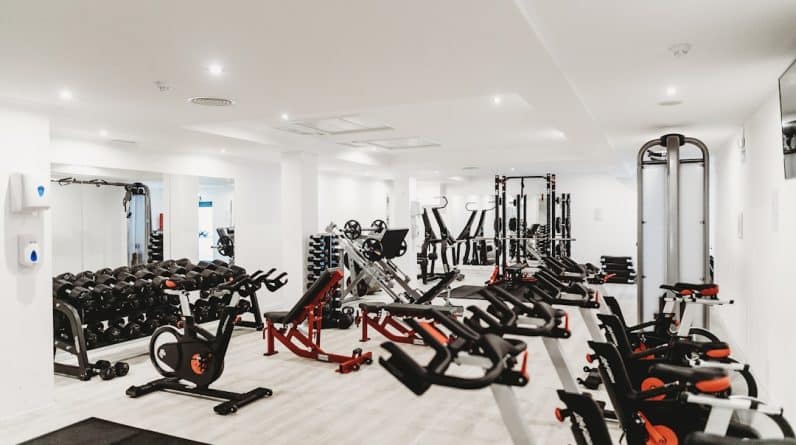
When it comes to fitness, understanding the various training styles available is crucial for anyone looking to enhance their physical capabilities. Each training style has its unique approach, focusing on different aspects of fitness such as strength, endurance, flexibility, and overall health. For instance, you might come across styles like high-intensity interval training (HIIT), which emphasizes short bursts of intense activity followed by rest periods, or traditional weightlifting, which focuses on building muscle through resistance.
Additionally, there are more holistic approaches like yoga and Pilates that prioritize flexibility and core strength. As you delve deeper into the world of fitness, you will discover that each training style can cater to specific needs and preferences. Some individuals thrive in a structured environment, benefiting from the discipline of weight training or CrossFit, while others may find joy in the fluidity of dance-based workouts or martial arts.
Understanding these differences allows you to tailor your fitness journey to align with your personal interests and goals. By exploring various training styles, you can identify what resonates with you, making your fitness routine not only effective but also enjoyable.
Key Takeaways
- Different training styles include strength training, endurance training, flexibility training, and HIIT.
- Choose the right training style based on your specific fitness goals, such as building muscle, improving cardiovascular health, or increasing flexibility.
- Each training style offers unique benefits, such as increased strength, improved endurance, better flexibility, and efficient fat burning.
- Incorporate different training styles into your routine by creating a balanced workout plan that includes a variety of exercises and activities.
- Consider your body type, such as ectomorph, mesomorph, or endomorph, when selecting the best training style for optimal results.
Choosing the Right Training Style for Your Goals
Selecting the right training style is a pivotal step in achieving your fitness goals. Whether you aim to lose weight, build muscle, improve endurance, or enhance flexibility, your choice of training style should reflect these objectives. For example, if your primary goal is weight loss, you might gravitate towards high-intensity workouts that maximize calorie burn in a shorter time frame.
On the other hand, if muscle gain is your focus, a structured weightlifting program that emphasizes progressive overload would be more suitable. Moreover, it’s essential to consider your current fitness level when choosing a training style. If you are just starting out, opting for a beginner-friendly program that gradually increases in intensity can help prevent injury and build confidence.
Conversely, if you are an experienced athlete looking to push your limits, advanced training styles that incorporate complex movements and higher intensity may be more appropriate. Ultimately, aligning your training style with your goals and fitness level will set the foundation for a successful and sustainable fitness journey.
The Benefits of Different Training Styles

Each training style offers a unique set of benefits that can contribute to your overall health and fitness. For instance, strength training is renowned for its ability to increase muscle mass and improve metabolic rate, which can aid in weight management. Additionally, it enhances bone density and reduces the risk of injury by strengthening connective tissues.
On the other hand, cardiovascular training styles like running or cycling are excellent for improving heart health and increasing endurance, allowing you to perform daily activities with greater ease. Furthermore, incorporating flexibility-focused training styles such as yoga or Pilates can lead to improved posture and reduced muscle tension. These practices not only enhance physical performance but also promote mental well-being through mindfulness and stress reduction techniques.
By understanding the benefits associated with different training styles, you can create a well-rounded fitness regimen that addresses multiple aspects of health, ensuring that you not only achieve your goals but also maintain a balanced lifestyle.
How to Incorporate Different Training Styles into Your Routine
Incorporating various training styles into your routine can keep your workouts fresh and engaging while providing comprehensive benefits. One effective approach is to create a weekly schedule that includes different types of workouts on specific days. For example, you might dedicate Mondays and Thursdays to strength training, while reserving Tuesdays for cardio sessions and Wednesdays for flexibility work like yoga.
This variety not only prevents boredom but also allows different muscle groups to recover while others are being worked. Additionally, consider blending elements from different training styles within a single workout session. For instance, you could start with a strength training circuit followed by a short HIIT session to elevate your heart rate.
Alternatively, you might incorporate mobility exercises into your warm-up routine before diving into a more intense workout. This hybrid approach can enhance your overall performance and keep you motivated as you explore new ways to challenge yourself.
Finding the Best Training Style for Your Body Type
Your body type plays a significant role in determining which training style may be most effective for you. Generally categorized into three types—ectomorphs (lean and slender), mesomorphs (muscular and athletic), and endomorphs (rounder and softer)—each body type has distinct characteristics that can influence how you respond to different workouts. For instance, ectomorphs may find it challenging to gain muscle mass and might benefit from strength training focused on hypertrophy to build size.
In contrast, mesomorphs often excel in various activities due to their natural athleticism and may thrive in high-intensity workouts. Endomorphs may need to focus on a combination of strength training and cardiovascular exercises to manage body composition effectively. Understanding your body type can help you tailor your training style to maximize results while minimizing frustration.
However, it’s important to remember that these categories are not rigid; many individuals may identify with traits from multiple body types. Therefore, experimenting with different styles can help you discover what works best for your unique physique.
Combining Training Styles for Maximum Results

Combining different training styles can lead to maximum results by addressing various aspects of fitness simultaneously. For example, integrating strength training with cardiovascular workouts can enhance both muscle development and endurance. This combination allows you to build lean muscle while improving your cardiovascular health, creating a balanced approach that supports overall fitness goals.
Moreover, incorporating flexibility and mobility work into your routine can further enhance performance in other areas. For instance, adding yoga sessions can improve your range of motion and reduce the risk of injury during high-intensity workouts or heavy lifting sessions. By strategically combining different training styles, you create a comprehensive program that not only helps you achieve specific goals but also promotes long-term health and well-being.
Adapting Your Training Style as You Progress
As you progress in your fitness journey, it’s essential to adapt your training style to continue challenging yourself and avoid plateaus. Initially, you may start with basic workouts that focus on building foundational strength and endurance. However, as you become more experienced and fit, it’s crucial to introduce new challenges that push your limits further.
This could mean increasing weights in strength training or incorporating advanced techniques like supersets or drop sets. Additionally, regularly reassessing your goals will help guide your adaptations. If you find that your initial objectives have shifted—perhaps you’ve achieved weight loss and now want to focus on muscle gain—adjusting your training style accordingly will keep you motivated and engaged.
Embracing change in your routine not only fosters growth but also keeps the excitement alive in your fitness journey.
Factors to Consider When Selecting a Training Style
When selecting a training style, several factors should be taken into account to ensure it aligns with your lifestyle and preferences. First and foremost is your personal interest; choosing a style that excites you will make it easier to stay committed over time. If you enjoy group classes or social environments, styles like Zumba or CrossFit may appeal to you more than solitary activities like running.
Another important consideration is time availability; some training styles require more time commitment than others. High-intensity workouts can be effective in shorter durations but may demand more recovery time afterward. Additionally, consider any physical limitations or injuries that may affect your ability to perform certain exercises safely.
Consulting with a fitness professional can provide valuable insights tailored to your individual needs. In conclusion, understanding different training styles is essential for anyone looking to embark on a successful fitness journey. By choosing the right style for your goals, incorporating variety into your routine, and adapting as you progress, you can create an effective program that not only meets your needs but also keeps you engaged and motivated over time.
Remember that fitness is a personal journey; finding what works best for you will ultimately lead to the most rewarding results.
If you are looking to improve your fitness routine, you may want to consider checking out this article on meal planning and prepping. Having a well-balanced diet is essential for achieving your fitness goals, and this article provides helpful tips on how to plan and prepare healthy meals. By combining a proper diet with the right training style, you can maximize your results and reach your fitness goals faster.
FAQs
What are the different training styles?
There are several different training styles, including strength training, endurance training, interval training, circuit training, and flexibility training.
How do I choose the right training style for me?
The right training style for you will depend on your fitness goals, current fitness level, and personal preferences. It’s important to consider what you enjoy and what will help you reach your specific fitness goals.
What is strength training?
Strength training involves using resistance to build and tone muscles. This can be done using free weights, weight machines, resistance bands, or body weight exercises.
What is endurance training?
Endurance training, also known as aerobic or cardio training, focuses on improving cardiovascular fitness and stamina. This can include activities like running, cycling, swimming, or using cardio machines.
What is interval training?
Interval training involves alternating between periods of high-intensity exercise and periods of lower-intensity exercise or rest. This style of training is effective for improving both cardiovascular fitness and muscular endurance.
What is circuit training?
Circuit training involves moving through a series of different exercises with minimal rest in between. This style of training can help improve both strength and cardiovascular fitness.
What is flexibility training?
Flexibility training focuses on improving the range of motion in your joints and lengthening your muscles. This can include activities like yoga, Pilates, or specific stretching exercises.